

Perspective Core Hub
About
Who produces this resource, how we research corrective laser surgery topics, and the editorial standards behind Perspective Core Hub.
Who publishes this
An independent reading room for refractive surgery
Perspective Core Hub is an educational reference for patients in Indonesia who are weighing corrective laser surgery and want to understand what the current platforms actually do. We are not a clinic and we do not book operations. We read, compare and explain the technology, then hand the decision back to you and your ophthalmologist.
The site began because most laser eye surgery information online reads either like advertising or like an academic paper. Neither helps a person sitting in Jakarta who simply wants to know what femtosecond and excimer systems are, how procedures such as LASIK, SMILE and surface ablation differ, and which questions to bring to a consultation.
What we do
- Explain refractive platforms and the technology behind them
- Compare procedures on the factors that change your outcome
- Prepare you for the questions a proper screening will ask
Written in plain English for readers in Indonesia. Nothing here replaces a clinical examination.
How we choose what to cover
We follow the platforms and techniques that are genuinely in use in refractive practice, not the ones that make the loudest marketing claims. A topic earns a page when it changes a real decision: which procedure fits a given eye, what the recovery actually involves, or how predictable the correction is likely to be.
When a platform is updated or a technique falls out of routine use, the page changes with it. We would rather explain five things carefully than list fifty and leave you guessing.
Our review process, step by step
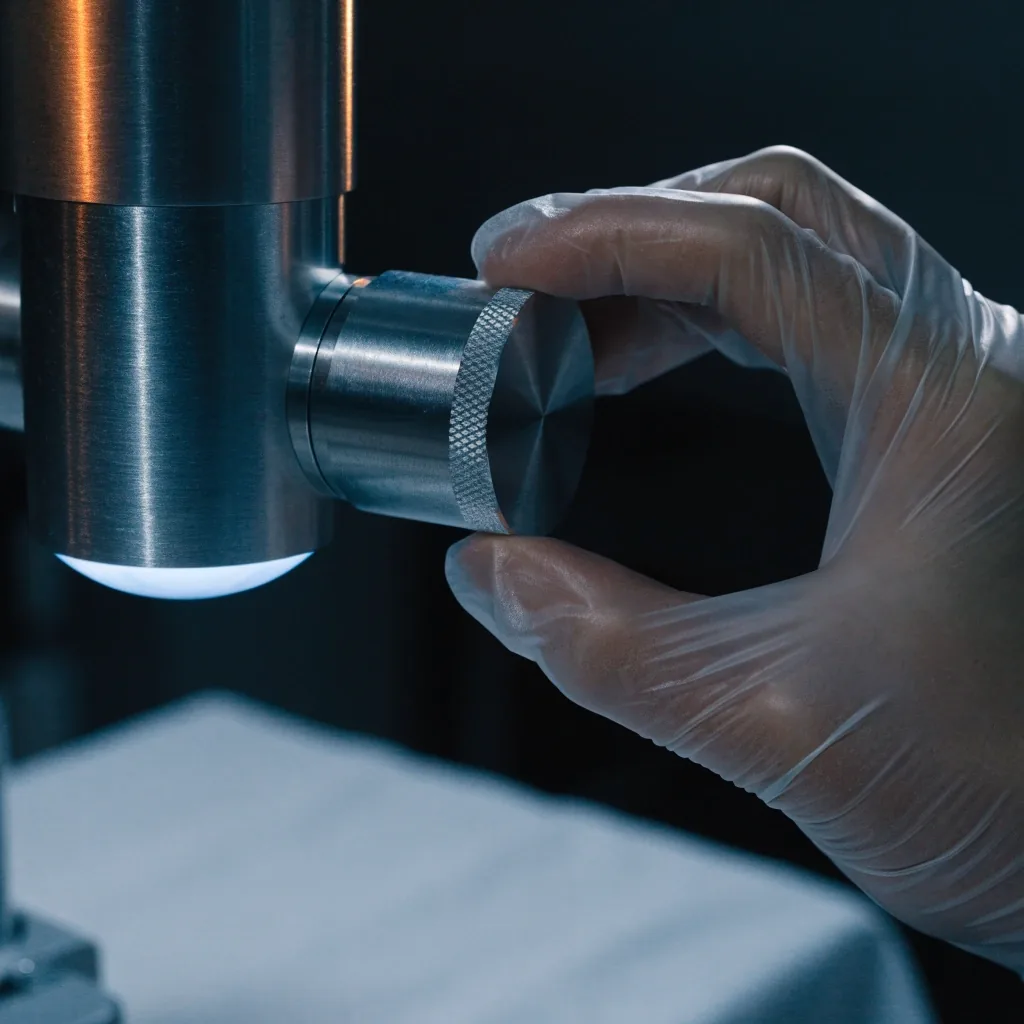
Every page follows the same path before it goes live. The steps are deliberately boring — that is the point.
- Step 1Read the source material
- We start with clinical literature, manufacturer technical documentation and peer-reviewed studies on refractive outcomes. Where the evidence is thin, we say so rather than filling the gap with confidence.
- Step 2Check it against practice
- A technique on paper and a technique in a treatment room are not always the same thing. We compare published data with what refractive surgeons in Indonesia and the wider region actually offer to patients today.
- Step 3Write for a patient
- Technical terms get explained the first time they appear and then used properly. If a sentence only makes sense to someone who already knows the answer, it gets rewritten.
- Step 4Revisit and correct
- Platforms change and so do recommendations. Pages are reviewed again when the underlying technology moves, and anything no longer accurate is corrected or retired.

What we will not do
We do not publish before-and-after photographs, because a picture of one eye tells you nothing about how your eye will heal. We do not print success rates as a single number, because predictability depends on your prescription, your corneal thickness and your ocular surface — factors no general percentage can carry.
We do not accept money to rank a clinic, a platform or a surgeon, and we do not run patient testimonials. If a claim cannot be traced back to published data or documented practice, it does not go on the page.
Reading about refractive surgery is useful preparation. It is not a diagnosis, and it does not decide whether you are a candidate. That answer comes from a full eye examination and a conversation with your surgeon.
Where to start reading
Four chapters cover most of what patients ask us about. You can read them in any order, but this sequence tends to make the later pages easier to follow.
ContactAlready working through the details? The Ocular Surface & Recovery chapter covers dryness, healing timelines and what the first months usually feel like.
Standards you can expect
-
Plain language, no jargon walls
Every technical term is explained where it first appears, in a sentence a non-specialist can finish.
-
Named limitations, not hidden ones
If a procedure suits fewer patients, or a result is harder to predict for certain prescriptions, that appears on the page.
-
No clinic rankings
We explain technology, not reputations. Choosing a surgeon is your decision, made with information we try to make honest.
-
Corrections in the open
When a page is updated because the evidence shifted, the change is made rather than quietly buried.
Questions we get asked
Who writes this material?
The editorial team at Perspective Core Hub researches and writes the pages. Material is assembled from clinical literature, manufacturer technical documentation and published refractive outcome studies, then checked against what is actually offered in practice. We are an information resource, not a practising clinic, so we do not give individual medical advice.
How often are pages updated?
Pages are reviewed when the underlying technology or clinical guidance moves. That is not a fixed calendar — a platform update or a shift in recommendation can trigger a rewrite sooner, while a stable topic may sit unchanged for longer. Anything we find to be out of date is corrected rather than left standing.
Can I use this to decide between procedures?
Use it to understand the options and to prepare better questions for your appointment. It cannot tell you which procedure is right for your eyes, because that depends on measurements only a proper examination produces — corneal thickness, topography, refractive error and the state of your ocular surface. Bring what you have read; let the surgeon interpret the numbers.
Does a clinic pay to appear here?
No. We do not sell placement, and we do not take payment to favour a platform, a procedure or a provider. That also means we do not list or recommend individual clinics — the pages exist to explain what the technology does, not to direct you to a particular door.
Keep reading, then ask better questions
Work through the chapters, note what applies to your situation, and bring the list to your ophthalmologist. If you want to reach the team behind this resource, the contact page has our details.
Perspective Core Hub · Jl. Cikini Raya No. 58, Menteng, Jakarta Pusat, DKI Jakarta 10330, Indonesia · Monday to Friday 09:00–18:00, Saturday 09:00–13:00