Platform guide
Technology Landscape
Which hardware sits behind each refractive technique, what the platform actually does during a treatment, and how to read the differences before you compare procedures in detail.
Platform families in the current corrective laser surgery landscape and the role each hardware layer plays during treatment
| Hardware layer |
SMILE |
Excimer surface |
Phakic lens |
| Lenticule creation |
Femtosecond laser |
Not used |
Not used |
| Tissue removal |
Lenticule extraction |
Excimer ablation |
None |
| Eye tracking |
Docking and centration |
Active during ablation |
Not used |
| Corneal tissue removed |
Yes — a shaped lenticule |
Yes — vaporised layer |
No — lens added |
The table compares what each hardware family does during a treatment. It is not a recommendation, and an assessment decides which route applies to a given eye.
Inside the hardware, frame by frame
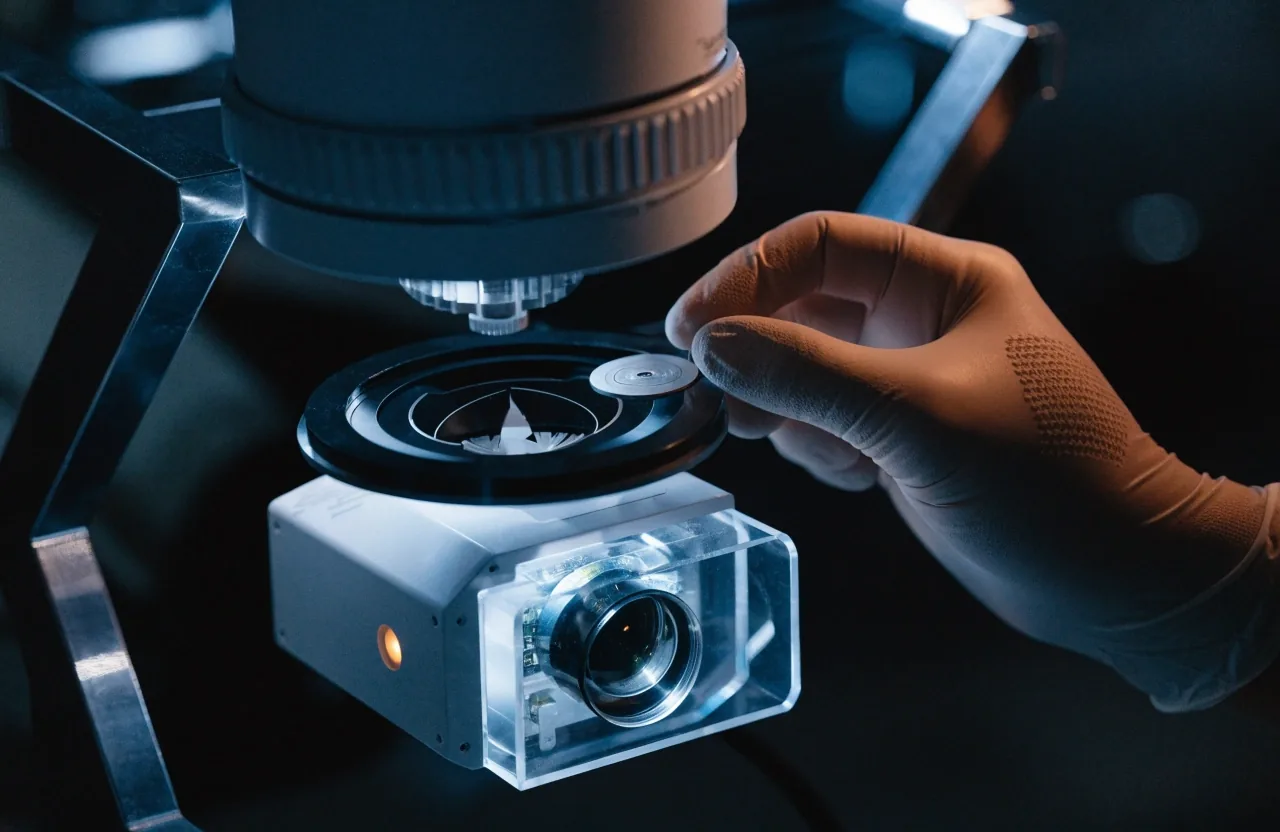
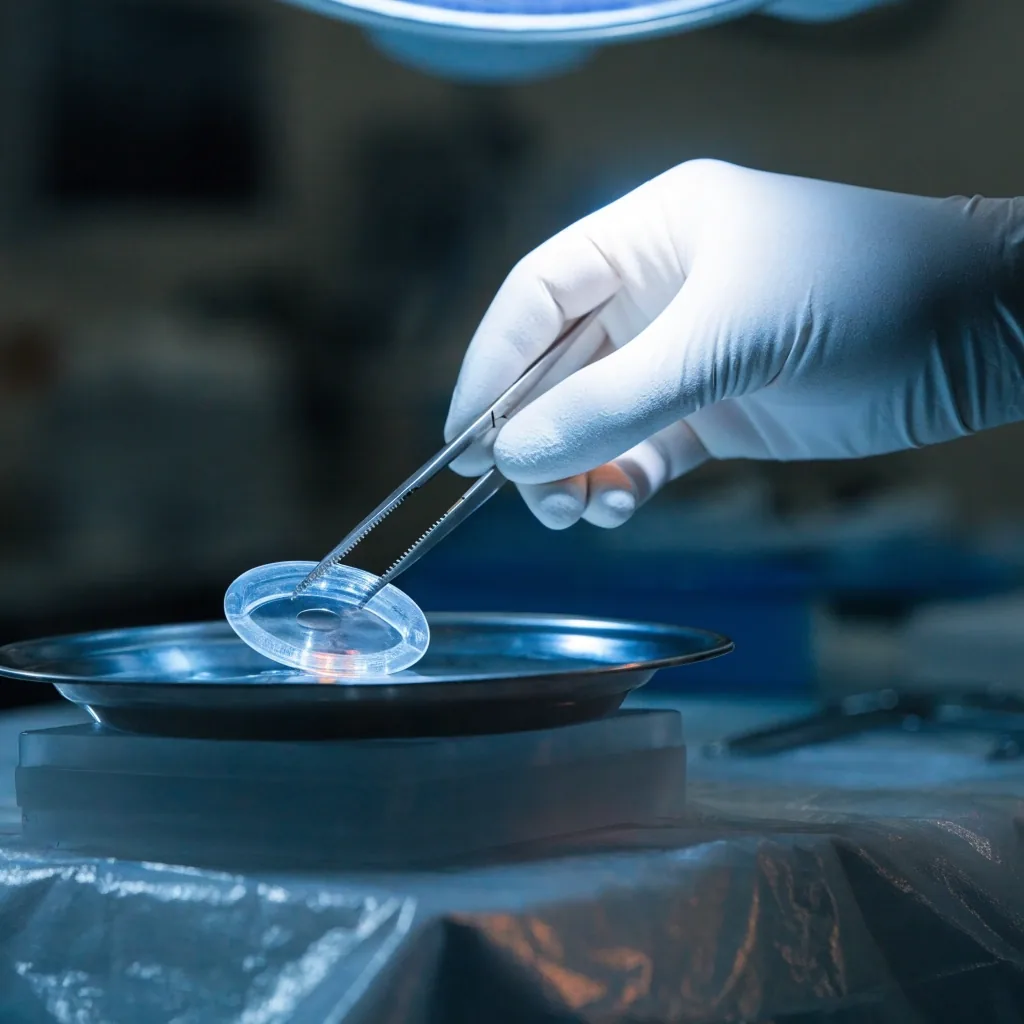
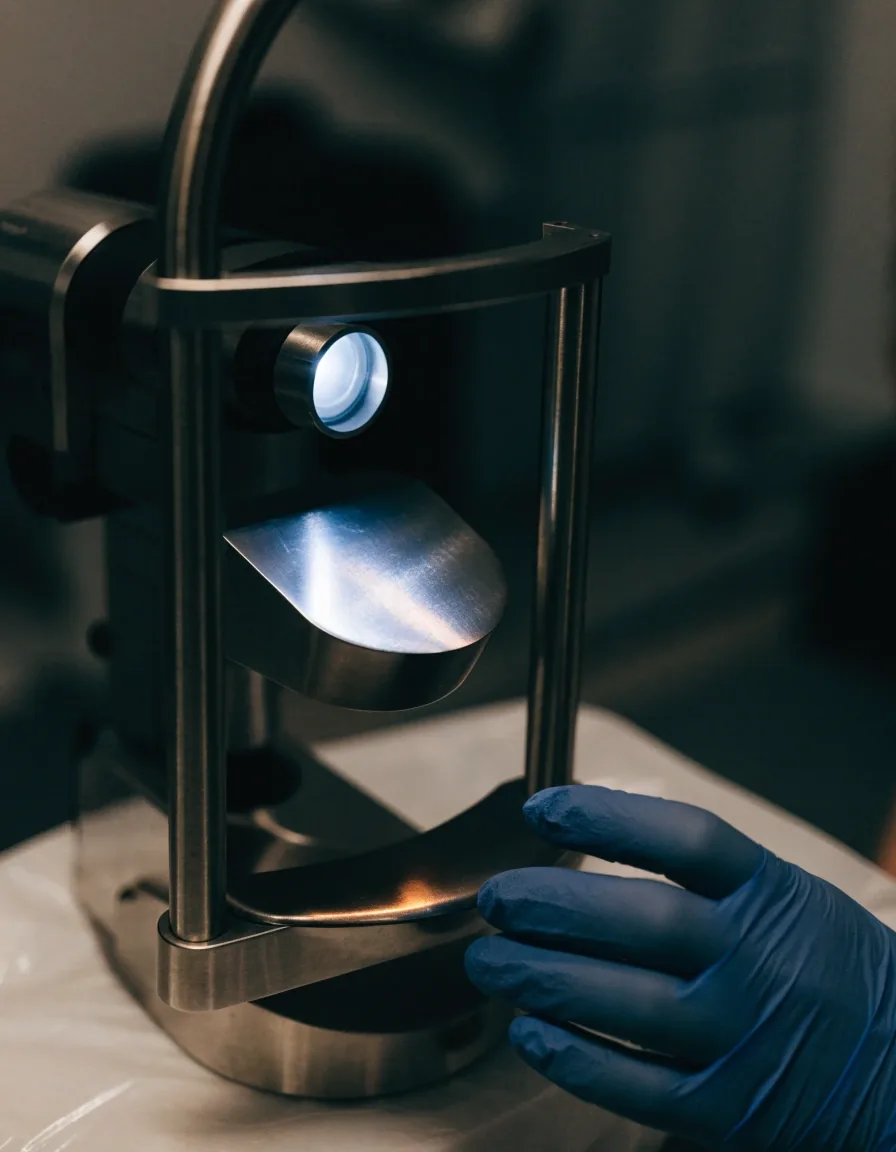
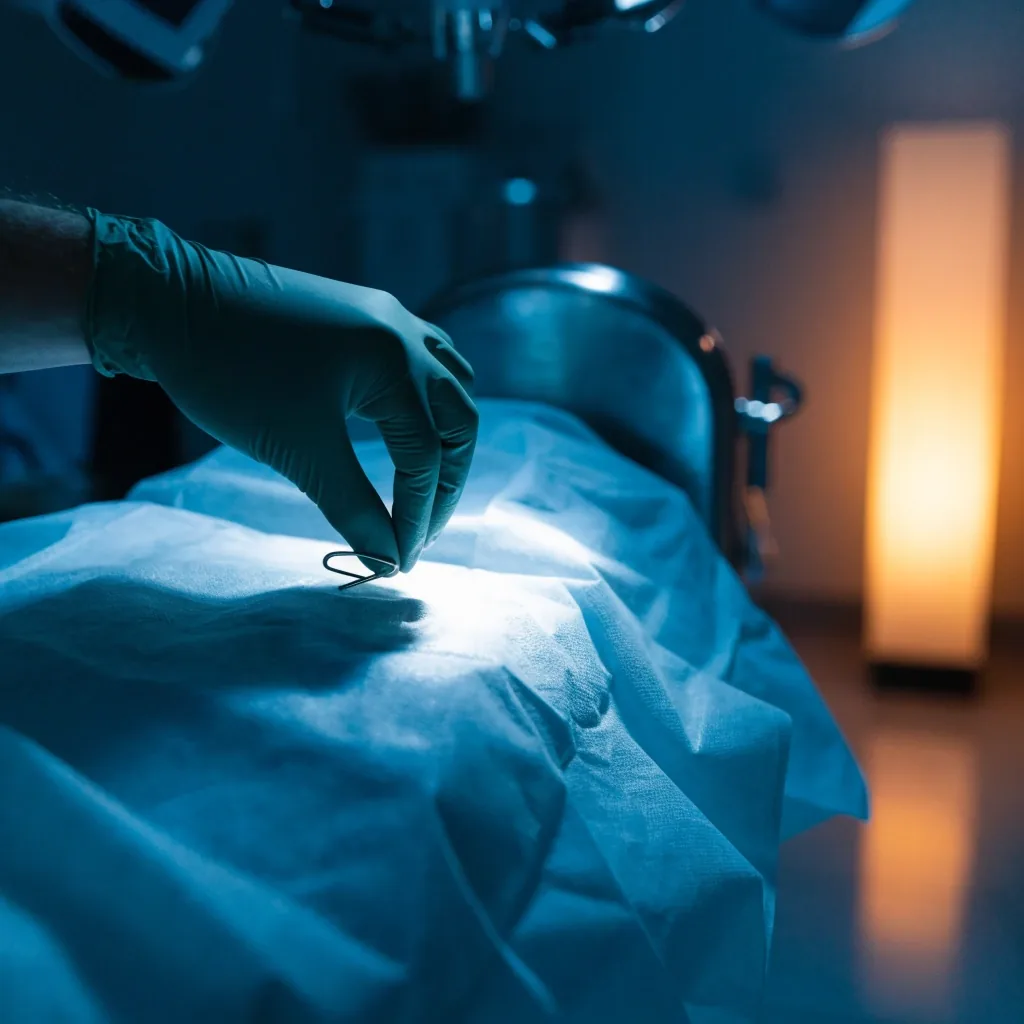
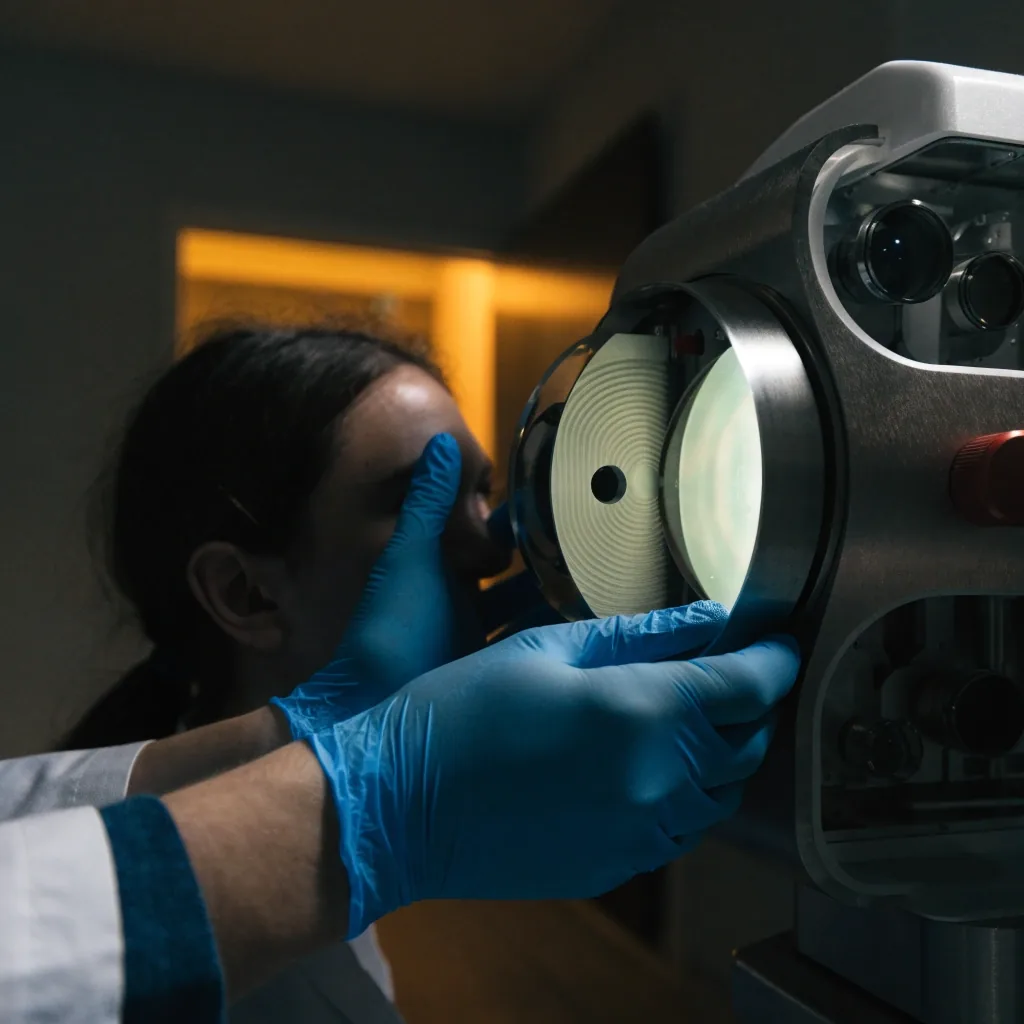
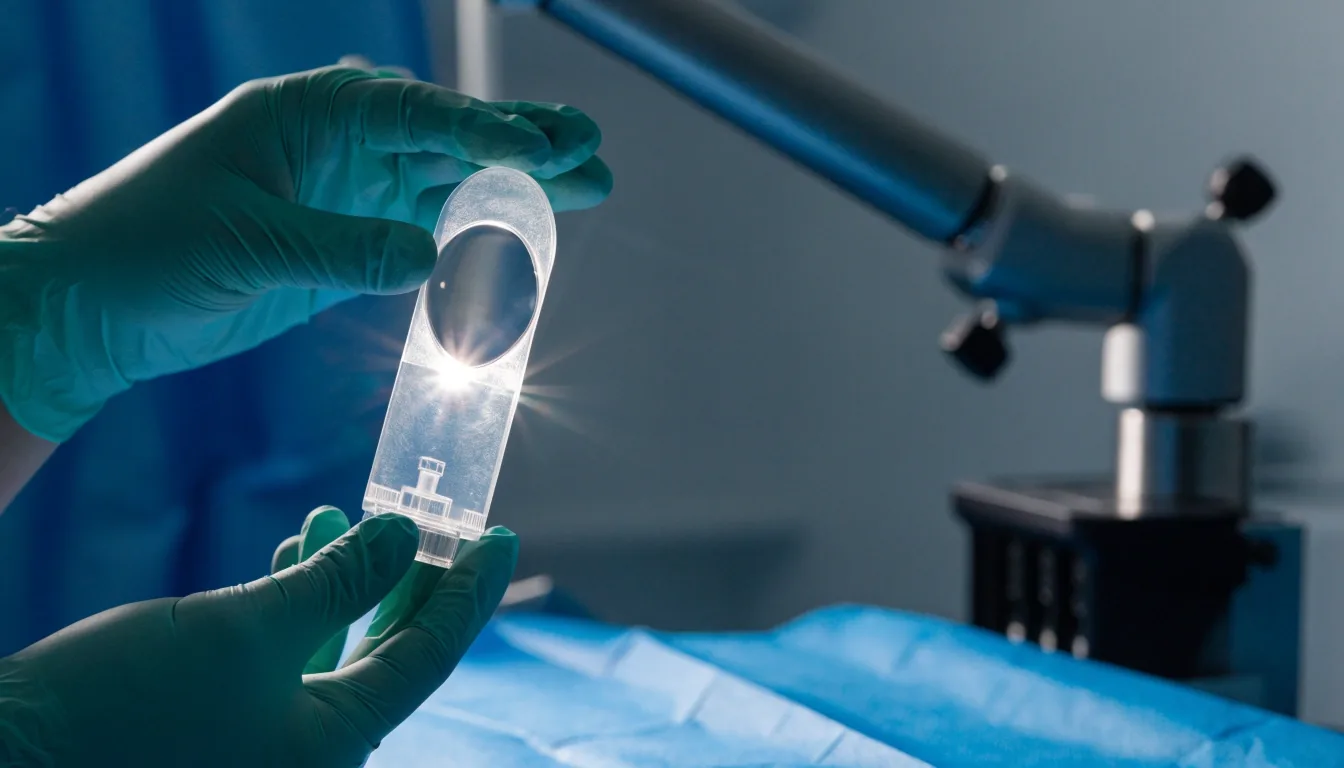
Scroll the frames sideways. Each one shows a working detail from a different part of the platform stack — the machine, the optics, the drape, the instrument tray.
Where the hardware layers meet the eye
A platform name only tells you what the machine can do. What the surgeon needs next is a map of the eye: corneal thickness, the shape of the front surface, the prescription at the spectacle plane, and the state of the tear film. Those measurements decide which stack of hardware is even eligible.
- Corneal thickness
- Sets the ablation ceiling
- Topography
- Flags irregular surfaces
- Refraction
- Drives the treatment profile
- Tear film
- Weighs surface routes
This page sets out the hardware. The next pages read those measurements against each route in turn, starting with the side-by-side procedure comparison and the patient suitability guide.
Reading the spec sheet without a physics degree
Platform brochures list many numbers, and most of them matter to the engineering, not to your decision. These are the ones worth asking about at a consultation, and the questions that make them meaningful.
Treatment envelope
How much correction it reaches
Each platform states a range of prescriptions and cylinder it can correct. Ask where your own numbers sit inside that range.
Docking and suction
How the eye is held
Some routes dock the eye under light suction; others, like SMILE, use a low-pressure interface. This affects how the minutes feel.
Tracking behaviour
What happens when the eye moves
Eye-tracking systems and their response speed determine how the ablation locks on. On lenticule platforms, tracking is used at docking and cut time instead.
Profile source
Where the treatment shape comes from
Some excimer profiles are built from the spectacle prescription alone; wavefront-guided systems add an aberrometry map to that shape.
Tissue cost
How much cornea the route spends
Ablation-based routes remove corneal tissue; phakic lenses remove none but add a lens. The number that matters is how much remains below the treated layer.
Service and calibration
Who keeps the machine honest
Every platform needs calibration and service history. Asking which systems a clinic runs and how it maintains them is a fair question at a consultation.
Technology is the entry point. Predictability is what you actually live with.
Once you know which hardware performs which step, the next question is how consistently it delivers: outcomes and predictability explains how results are tracked, and ocular surface and recovery covers how each route treats the surface of the eye afterwards.
Questions readers ask about the equipment
Does a newer platform mean a better result?
Not on its own. Newer generations usually add capability — faster tracking, wider treatment ranges, quieter docking — but the result still depends on whether your measurements suit the route. A platform is a tool; what matters is the match between that tool and your eye.
Why do some clinics offer lenses as well as lasers?
Because the treatable range has edges. Ablation removes corneal tissue, and thin or irregular corneas may not have enough to spare. Phakic lenses such as EVO ICL correct higher prescriptions without removing tissue, but they add a lens inside the eye and need their own measurement and follow-up. A clinic that keeps both routes open can match the eye rather than the equipment list.
How often is the equipment recalibrated?
That depends on the manufacturer's schedule and the clinic's service arrangement, so there is no single number. What you can ask is which calibration checks are recorded between patients, who services the machines, and how the clinic handles a system that is offline. A straight answer to those questions tells you more than a specification sheet.
Do platform names mean the same thing everywhere?
Mostly, but a platform name describes a machine generation, not a treatment protocol. Two clinics can run the same laser with different nomograms, different pre-operative measurement routines, and different follow-up. When you compare clinics, compare the whole pathway, not only the hardware label on the door.
Keep reading, or ask directly
The comparison pages use the platforms described here as their reference points. If you would rather have your own measurements reviewed against those routes, the team at Perspective Core Hub in Jakarta is available Monday to Friday 09:00–18:00 and Saturday 09:00–13:00.